
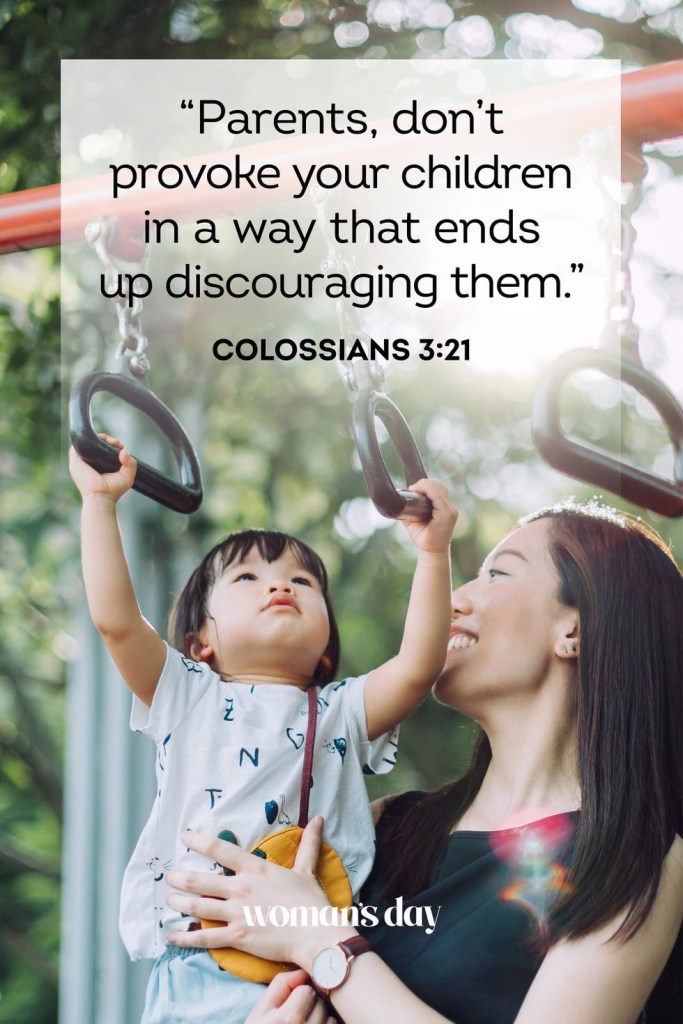
The Bible addresses the issue of fathers provoking their children in a few key passages, most notably in Ephesians 6:4 and Colossians 3:21. These verses don’t explicitly define “provoking,” but we can understand it through the context and related concepts:
Key Points:
- Don’t exasperate or discourage: The core message is to avoid actions that frustrate, anger, or demoralize children. This can include:
- Unreasonable expectations: Demanding too much or setting unrealistic standards.
- Inconsistent discipline: Applying rules unfairly or unpredictably.
- Harsh or abusive treatment: Yelling, belittling, or physically harming children.
- Favoritism: Showing clear preference to one child over others.
- Neglect: Ignoring their needs or failing to provide emotional support.
- Focus on nurturing and instruction: The alternative to provoking is to raise children “in the nurture and admonition of the Lord” (Ephesians 6:4). This emphasizes:
- Loving guidance: Providing support, care, and understanding.
- Moral teaching: Instilling values and principles based on faith.
- Discipline with love: Correcting behavior in a way that teaches and encourages growth, not crushes their spirit.
Why is this important? - Children’s well-being: Provocation can lead to emotional damage, resentment, and rebellion in children.
- Family harmony: It creates conflict and hinders healthy relationships within the family.
- Spiritual development: Children who feel constantly criticized or discouraged may struggle to develop a positive view of God.
It’s important to note: - This applies to both parents: While the verses specifically mention fathers, the principles apply to mothers as well. Both parents have a responsibility to create a nurturing environment for their children.
- Children are not perfect: Children will make mistakes and need correction. The key is to do so in a way that is loving, patient, and focused on their growth.
In essence, the Bible encourages parents to create a home environment where children feel loved, supported, and encouraged to grow into responsible and faithful individuals.
While the Bible doesn’t use hashtags, it does contain relevant verses about how parents should interact with their children. Here are some key themes and related verses:
- Avoid provoking children to anger:
- Ephesians 6:4: “Fathers, do not provoke your children to anger, but bring them up in the discipline and instruction of the Lord.”
- Colossians 3:21: “Fathers, do not embitter your children, or they will become discouraged.”
- These verses emphasize the importance of creating a positive and supportive environment for children, avoiding actions that might lead to resentment or discouragement.
- Discipline with love and instruction:
- Proverbs 13:24: “Whoever spares the rod hates their children, but the one who loves their children is careful to discipline them.”
- Proverbs 22:15: “Folly is bound up in the heart of a child, but the rod of discipline will drive it far from them.”
- Hebrews 12:11: “No discipline seems pleasant at the time, but painful. Later on, however, it produces a harvest of righteousness and peace for those who have been trained by it.”
- These verses highlight the need for discipline, but emphasize that it should be administered with love and aimed at instruction and correction, not out of anger or a desire to inflict pain.
- Nurture and care:
- 1 Thessalonians 2:7: “But we were gentle among you, like a mother caring for her little children.”
- This verse uses the analogy of a mother’s love to describe the kind of care and nurture that parents should provide.
It’s important to note that interpretations of these verses can vary. Some emphasize the importance of firm discipline, while others focus on the need for gentleness and understanding. Ultimately, parents should strive to create a loving and supportive environment where their children can grow and thrive.
If you’re interested in further exploring this topic, you can search for commentaries or articles on these specific verses or on the broader topic of parenting in the Bible. - You’re right to point out that the Bible doesn’t use tags in the way we do on social media! It’s a very different kind of text. However, we can still identify key themes and concepts related to provoking children, which function similarly to tags by helping us categorize and find relevant information. Here are some “tags” you might use to search for information on this topic in the Bible:
Parenting: This is a broad tag that encompasses all aspects of raising children, including discipline, instruction, and emotional support.
Discipline: This tag focuses on the methods parents use to correct and guide their children. It’s important to consider the Bible’s teachings on discipline in the context of avoiding provocation.
Anger: This tag highlights the emotional aspect of the issue. The Bible warns against parents provoking their children to anger, so it’s important to understand what constitutes healthy vs. unhealthy anger in a child.
Fathers: While the Bible often addresses fathers specifically, the principles generally apply to both parents. This tag can help you find verses that focus on the father’s role in the family.
Children: This tag reminds us that children are individuals with their own needs and sensitivities. Parents should be mindful of how their actions affect their children.
Instruction: This tag emphasizes the importance of teaching and guiding children in the way of the Lord. This should be done in a patient and loving manner, avoiding harshness that could lead to discouragement.
Love: This is a fundamental principle in all aspects of parenting. The Bible emphasizes that discipline and guidance should be motivated by love for the child.
By using these “tags” to search within the Bible or in biblical commentaries, you can find relevant verses and teachings on how to avoid provoking children and raise them in a loving and supportive environment. - https://www.bible.com/bible/compare/EPH.6.4
- http://www.joyoffaith.com/parenting-links.html
- https://ayopejufalekulo.com/2018/06/20/the-rod-of-discipline/
- https://tmbears.com/sports/womens-lacrosse/roster/coaches/channing-hoyt/225
 sabbathkeepersfellowship.com